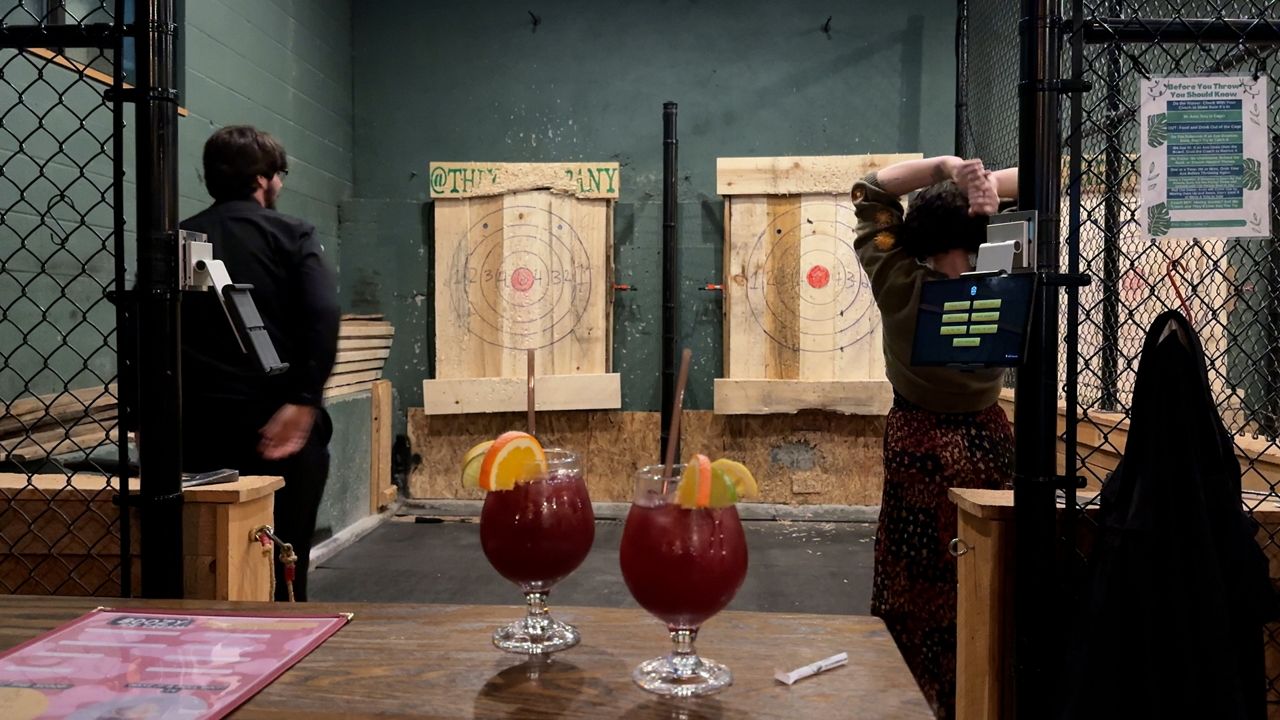
Recent changes to liquor regulations across New York State are significantly impacting the city's nightlife and business environment. These new rules are designed to enable a broader range of venues to serve alcoholic beverages, thereby expanding opportunities for bars, restaurants, and entertainment venues.
One of the key aspects of the new regulations is the increased flexibility granted to establishments, allowing them to operate with fewer restrictions and adapt more easily to the needs of their customers. This move aims to stimulate economic activity within the hospitality sector, which has faced challenges in recent years due to various factors, including the pandemic.
Regulators have emphasized that safety remains a top priority amidst these changes. New protocols and guidelines are in place to ensure responsible serving and prevent alcohol-related issues. These measures include stricter enforcement of age verification, limits on serving sizes, and requirements for staff training on responsible alcohol service.
The regulatory overhaul also introduces provisions for outdoor service and extended hours, providing venues with more opportunities to attract patrons and increase revenue. This is particularly relevant as many businesses seek to recover and adapt to evolving consumer preferences post-pandemic.
Industry leaders and business owners have largely welcomed the reforms, viewing them as a positive step toward revitalizing the nightlife scene and supporting local economies. However, some community groups and safety advocates have called for continued vigilance to prevent alcohol misuse and ensure public safety.
Overall, these new liquor rules are poised to reshape the landscape of New York City's nightlife, offering both challenges and opportunities for stakeholders across the hospitality industry. As implementation progresses, ongoing monitoring and adjustments will be essential to balance economic growth with safety and community well-being.